
Free Education for a Free Society
Learning is Awesome.
Everyone's a student.
It's time to give away what you know and learn something new.
The Future of Education
Freedom looks very different than the world of tyranny we currently live in. Let these principles guide the future:
- A Makers Education — crafts and trades, understanding the world around, making useful things from the time a toddler can rub their hands together.
- Learning Needs — from well-designed visual material to ensuring that emotional and psychological needs are met.
- Mentorship Culture — we lift each other up, never putting down. Students help teach younger students.
- Passions-based — self-direction with guided exploration.
The Revolution
The potential to profoundly revolutionize education, most broadly as well as the instutions of "schools" specifically, exists in the potential to profoundly improve the instructional material. Developing a database of lessons on the making and doing of everything that's free for everyone (children, adults, institutions) is the primary focus here.
Making education humane, as principles 2-4 (above) are intended for, as existing models like Waldorf, Montessori, and Big Picture Learning demonstrate well, is essential for all schools.
These are the two aspects:
- instructional/educational content and material — the tragic state of the world is an abominable state of information disorder, incorherent explanations and bad design; competent design and intelligent instructions, as exceedingly rare as they are, are truly revolutionary.
- culture, access and format — liberatory without authoritarianism, inter-age and intergenerational for greater social harmony. — free lessons/courses/curriculums to learn what you what when you want, allowing learning to happen in any kind of setting (standard or non-standard).
With sufficient publishings elsewhere on the culture/access/format part of this campaign to revolutionize education, this focuses on the profound potential to improve educational content.
Improving Instructions, Content, Lessons, Curriculums
By "profound", consider this: the first lesson for the lrn software takes an entire semester of state university's Intro to Python Scripting and puts it most appropriately into one single lesson that you can do and understand completely in an hour.
This is not reasonably better, it is absurdly better. This vast superiority is not due to lrn being tremendously awesome but due to the university course being quite terrible.
The term "gap between academia and industry" has been used widely to discuss this problem in nice non-accusing language. It refers to commonality and frequency of students coming out of a four-year computer science degree program successfully with certificate in hand, going to coding interviews for a new job, and simply being unable to write any code. This problem spans many industries and is due to the pedagogy of uselessness.
Competently designed, intelligent instructional material
Among numerous factors for improving learning experiences, the visual design of the information itself carries potential that is truly revolutionizing.
Edward Tufte has very effectively demonstrated the contrast between terrible information design and well-designed sets of information.
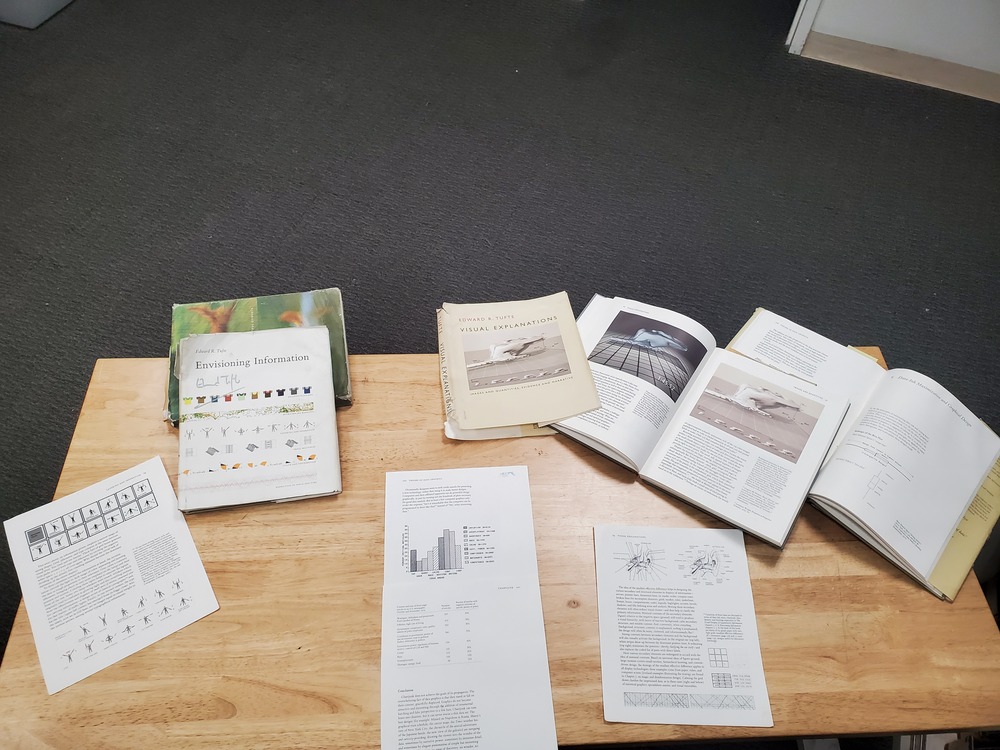
Design does not mean decoration
When it comes to information and educational material, design is about effective communication.
Here's an example of what Tufte calls "chart junk":
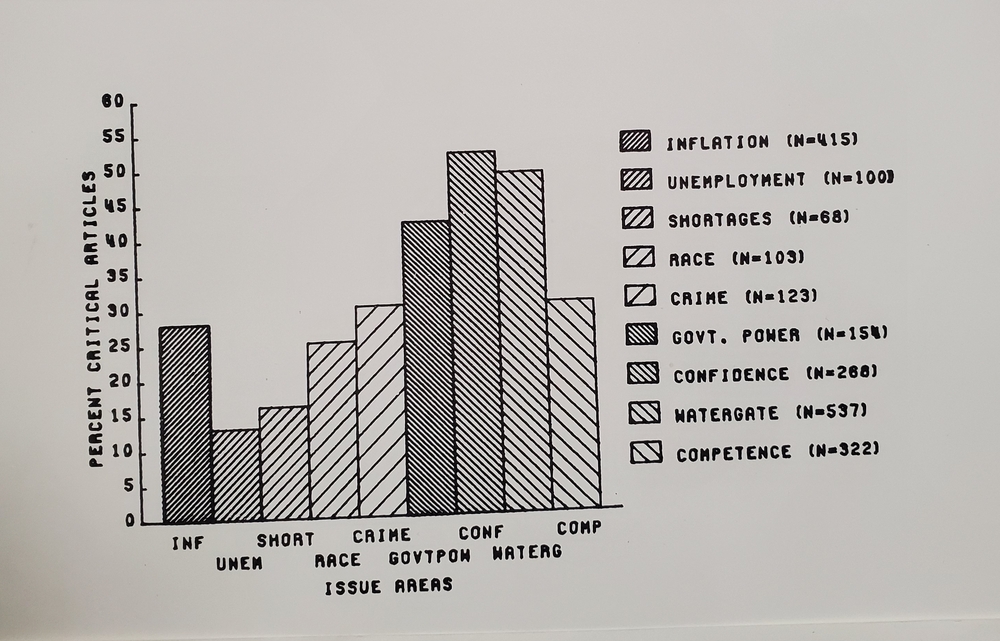
This instance of chart junk not only requires way too much deciphering to qualify as "easy" to understand, it's impossible to glean from it what these words are even refering to.
Here's that same data set presented with a sane, effective design:
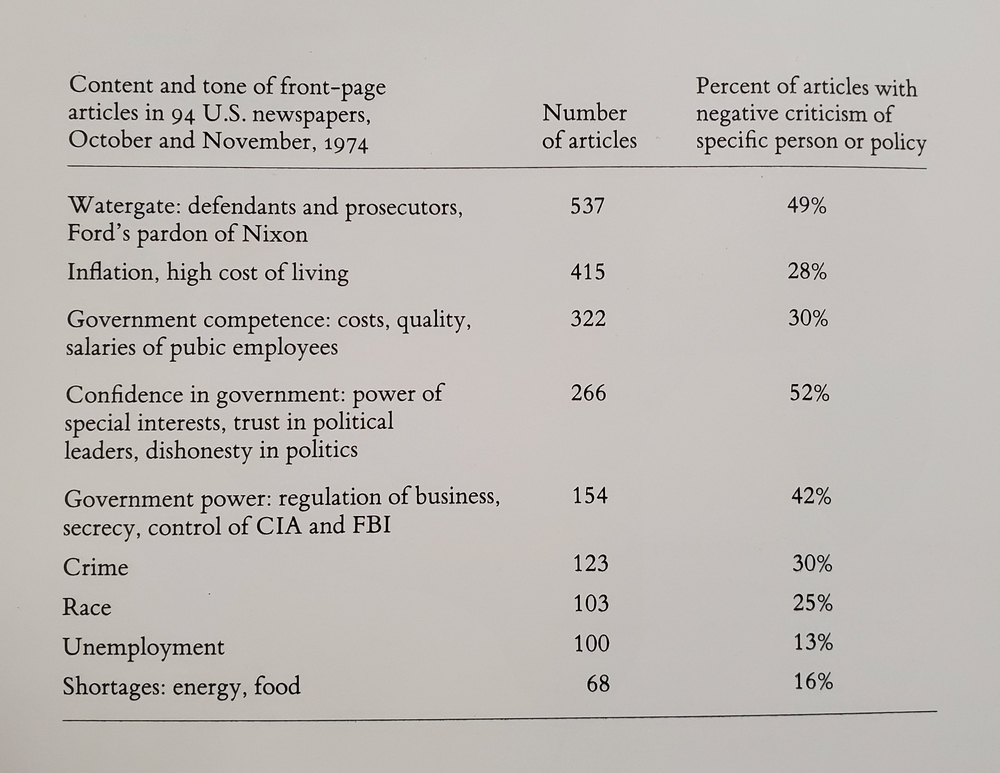
Eliminating needless graphics and focusing on meaning through words clarifies that data.
The Tufte design books demonstrate how significant, crucial, and profound it is to apply simple sanity and intelligence to the design of information, communications, and educational material.
Design principles exist — they can be applied to educational material
Many principles exist which can be taught, simply. Once understood they can be applied.
Tufte describes: "smallest effective difference" and many other principles that can be used to improve information design.
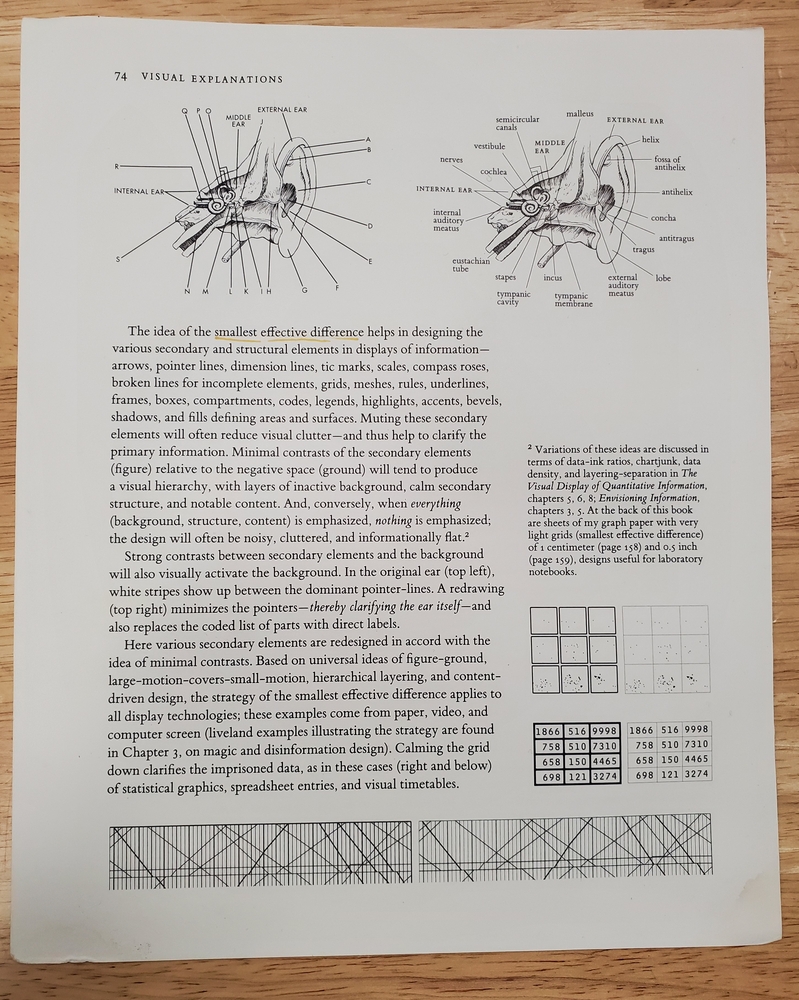
So many areas of learning, perhaps all, can vastly improve from effective design.
From athletics like skiing:
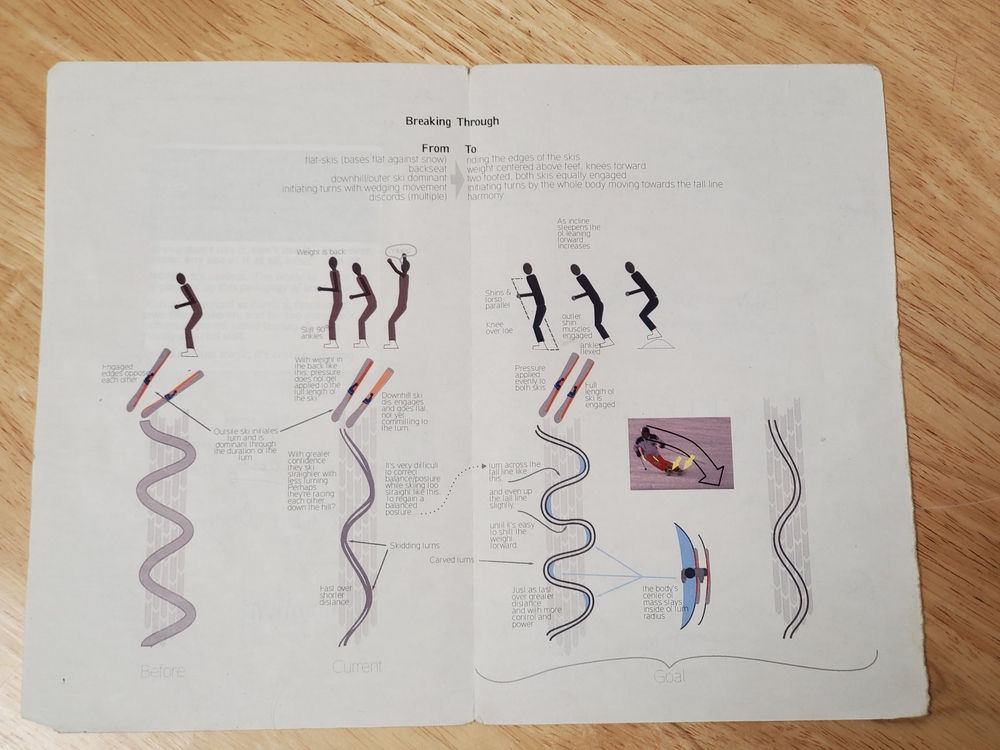
Craft methods and trades can all benefit greatly, consider some basketry patterns:
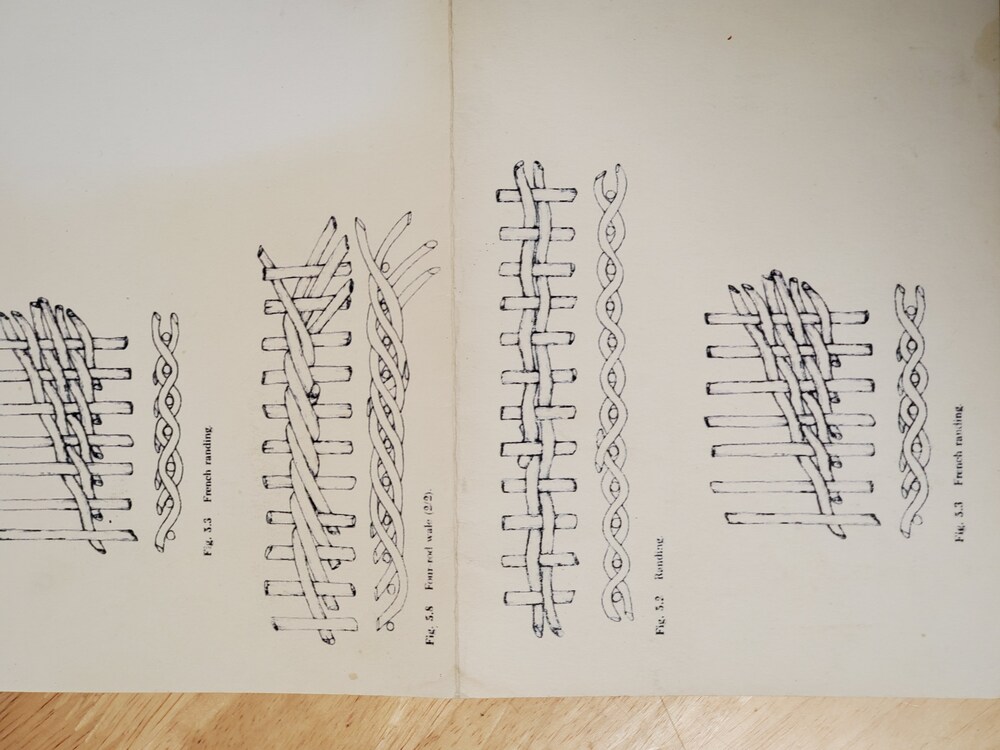
And arborist/horticulture/silviculture techniques for regenerative woodcutting
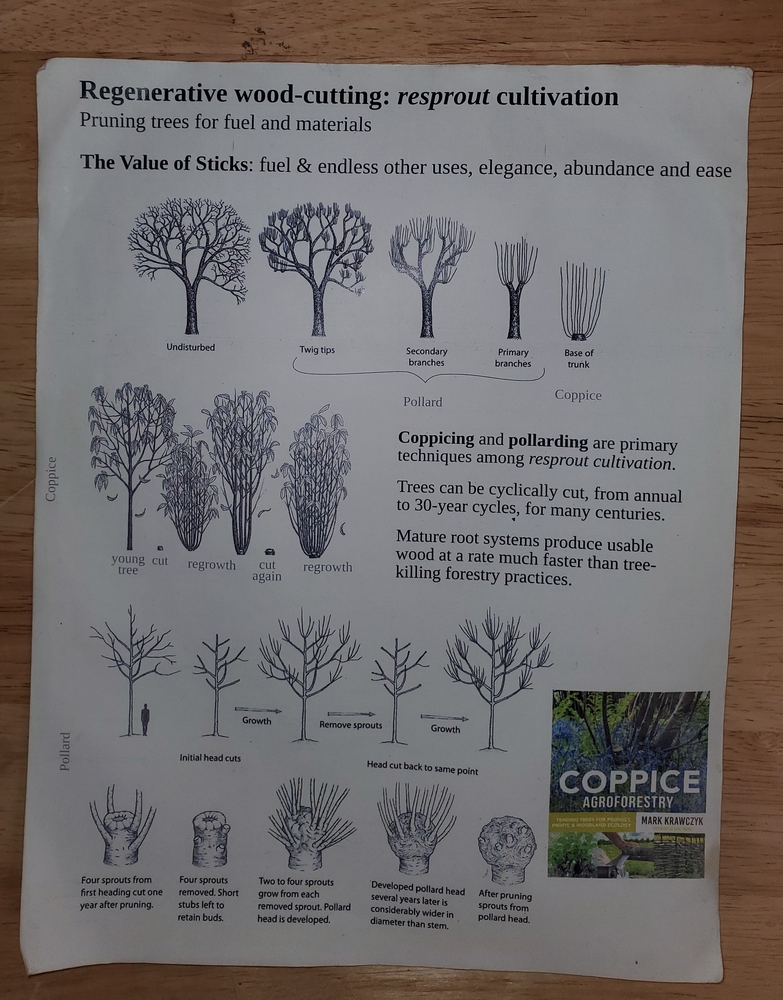
The supplemental materials for the lrn computer programming lessons are a big part of what makes the lessons so much more educational compared to standard existing options. Here's a couple examples:
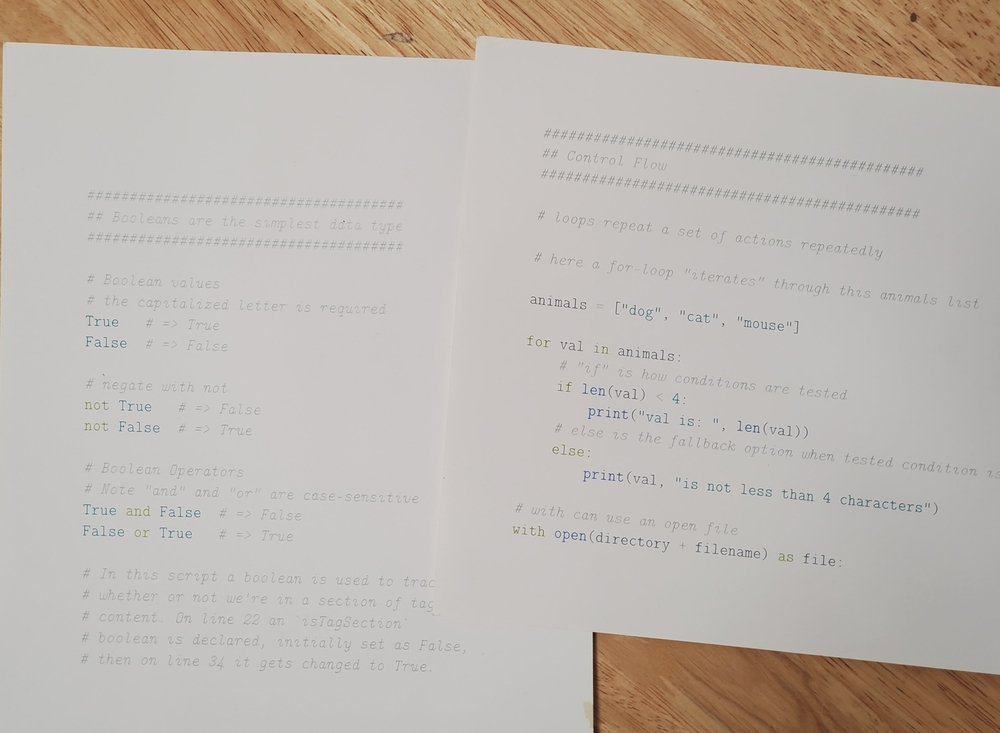
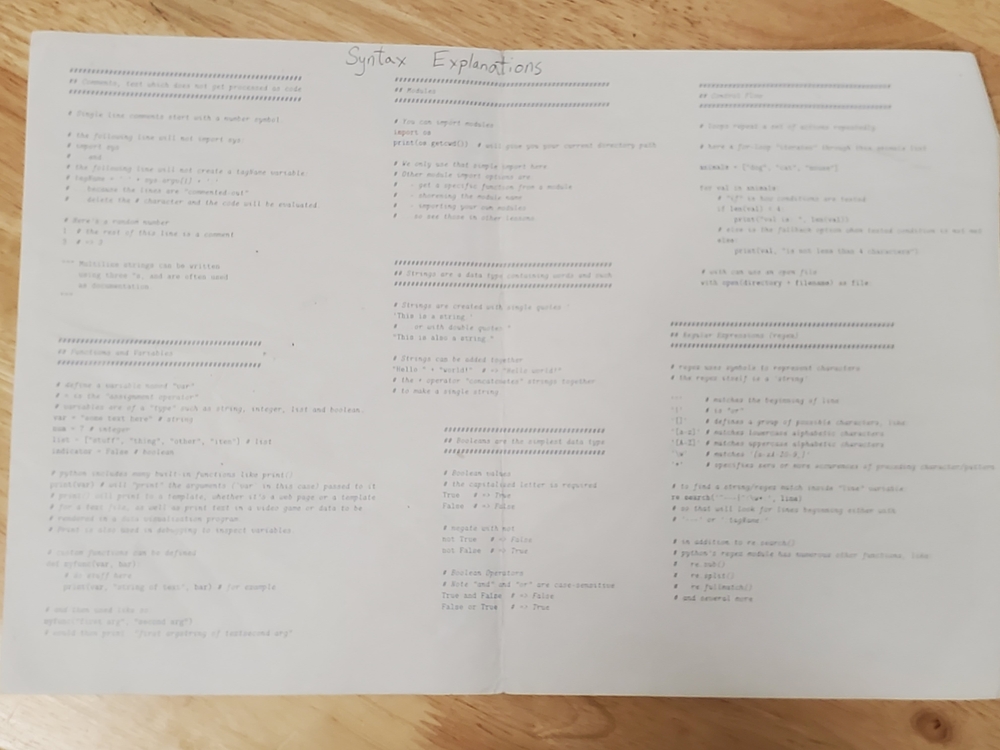
This must be applied to all educational material. Doing so will be revolutionary.
Lesson Hubs - decentralized repositories/databases of lessons
Comprehensive database(s) of lessons on the making and doing of EVERYTHING
Educators and Professionals Collaborating with the Efficiencies of Open Source Software Development
One particular tooling of the software industry, the source code management tool, by providing decent means of collaboratively working together remotely via code-hosting severs on the Internet, gives us a usable, proven solution for collaboratively developing lessons.
Developing lessons
Git servers, such as Gitlab and Github, provide an excellent means of collaboration among software developers and can work just as well for facilitating collaboration in developing lessons.
Widespread collaboration among:
- subject matter experts
- educators
- designers
…can all collaborate to produce lessons, without necessarily needing to ever meet in person.
Lessons will be a set of svg, md, yml and other plain text (generally speaking, media files can of course be supplemental but the most profound potential for improvement exists not in going multimedia but through solving the most-wretched-state of neglect in the realm of diagrams and sane visual explanations) files.
A couple simple plugins will be needed for the vector editors (inkscape/illustrator/etc) and git server ui to accommodate lesson/curriculum specific functionality.
Stay tuned I guess… and pray…
revolutionize.school is work  of the Lamb